🕯️ Veils and Voices: Unearthing the Heart of Victorian Spiritualism 🕯️
By Diadharma – 6 Feb 2026
Welcome back to the circle. We often gaze at the Victorians through a veil of lace and strict morality, picturing a buttoned-up society obsessed with propriety. Yet, beneath that rigid exterior lay a profound and deeply human yearning—a fascination with the afterlife that transcended mere curiosity. Today, we’re going to pull back that veil and explore the vibrant, often heartbreaking world of Victorian Spiritualism.
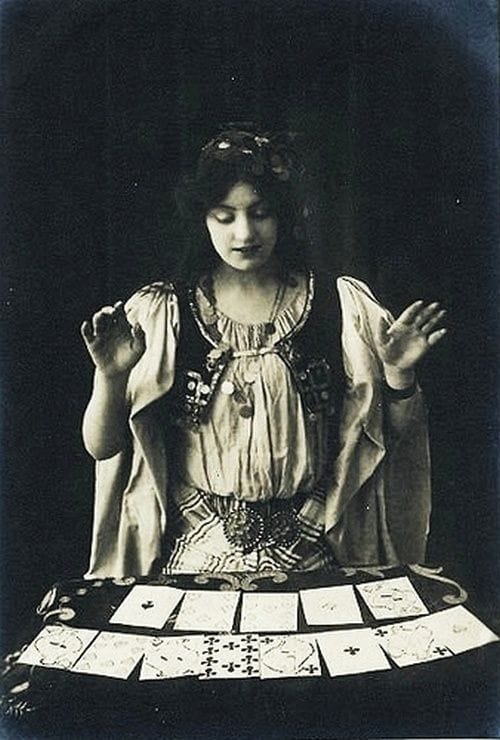
It wasn't an obsession born of morbidity, but of necessity. The mid-to-late 19th century was an era defined by a constant proximity to death. Childhood mortality was tragically high, epidemics like cholera and tuberculosis swept through communities, and the staggering losses of wars, particularly the American Civil War, left millions grieving. Death wasn't a distant concept; it was a constant, intimate companion.
In this landscape of pervasive loss, traditional religion often struggled to provide immediate comfort for aching hearts. People weren't just seeking solace; they longed for proof that their loved ones had not vanished entirely. They yearned for a sign, a whisper, a touch from beyond the grave. And so, Spiritualism blossomed.
The Rise of the Séance
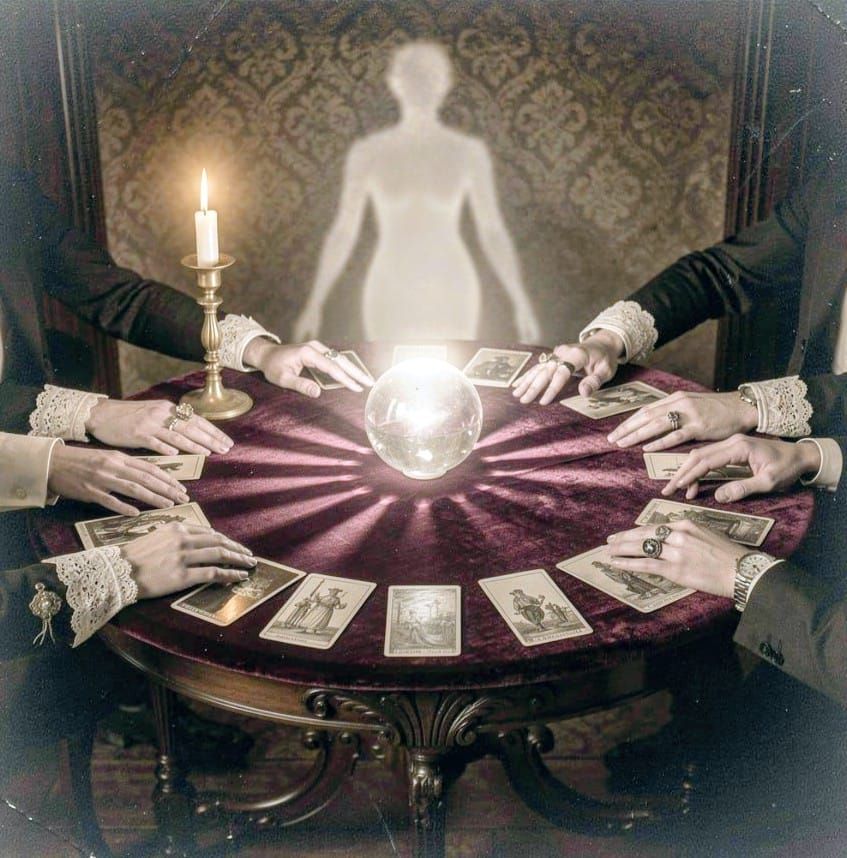
The movement truly took hold in 1848 with the Fox Sisters in Hydesville, New York, who claimed to communicate with a spirit through rapping sounds. From there, the practice of the séance spread like wildfire across Britain and America. These were not always the spooky, theatrical events we imagine from horror films. For many, a séance was a quiet, earnest gathering in a dimly lit parlor, often held by friends and family.
At the center was usually a medium, someone believed to be sensitive enough to bridge the gap between worlds. They might fall into a trance, speak in altered voices, produce "ectoplasm" (though often debunked as trickery), or facilitate "table-tipping"—where participants would place their hands on a table, which would then seemingly move or rap out messages in response to questions.
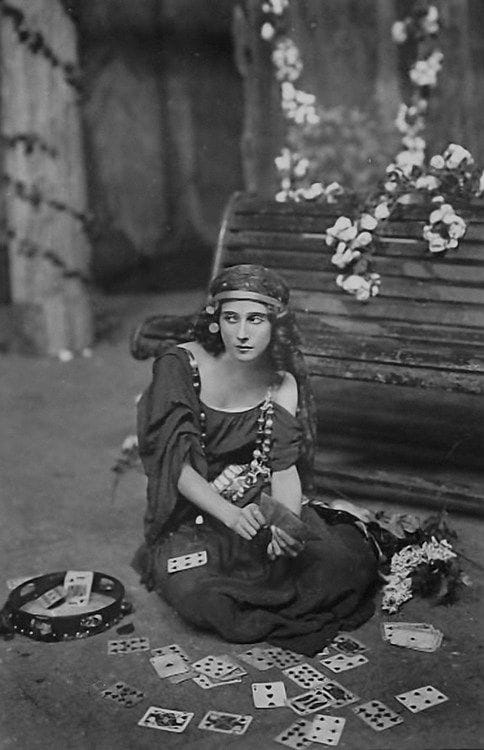
Tools of the Other Side
The Victorians embraced various tools and techniques in their quest for communication:
- Spirit Trumpets: These conical devices were believed to amplify the voices of spirits, allowing them to be heard more clearly.
- Automatic Writing: A medium would hold a pen, allowing a spirit to guide their hand to write messages without conscious thought.
- Planchettes and Ouija Boards: The planchette, a small heart-shaped piece of wood with wheels and a pencil, was used for automatic writing, often evolving into the more familiar Ouija board by the late Victorian era. Participants would lightly rest their fingers on it, and it would supposedly move to spell out messages.
- Spirit Photography: Perhaps one of the most intriguing—and easily faked—phenomena. Photographers claimed to capture ethereal figures (often translucent "ghosts" or deceased loved ones) alongside living sitters. While many were exposed as hoaxes, the hope they offered was immense.
- Flower Drops & Materialization: More advanced séances sometimes promised materializations—objects or even full-form spirits appearing. Often, "spirit flowers" would seemingly drop from the ceiling, or ghostly hands would touch attendees. Again, these were ripe for deception, but the belief was potent.
More Than Morbidity: A Search for Connection
What fascinates me most about Victorian Spiritualism is its deeply human core. It wasn't about being macabre; it was about love, grief, and the profound need for reassurance. It was a cultural coping mechanism, a way to process an overwhelming amount of loss and to defy the finality of death. For many, it provided genuine comfort, the belief that their loved ones were not truly gone, but merely "on the other side," still capable of offering guidance and connection.
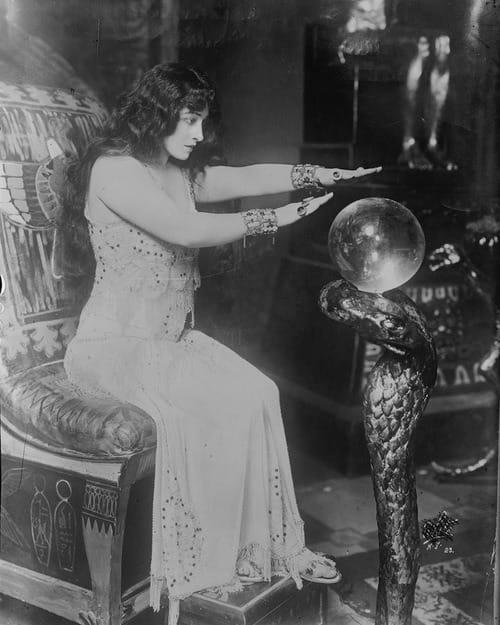
In their dimly lit parlors, surrounded by their instruments of the unseen, the Victorians were not just dabbling in the supernatural; they were reaching out with every fiber of their being, yearning for the enduring embrace of those they had lost.