✨Graphic Novelist Recommendation: Isabel Greenberg✨
By Diadharma – 14 Jan 2026
Welcome back to the circle. Today I want to talk about a storyteller I’ve followed for a long time, someone who understands the weight and weave of a good myth: Isabel Greenberg.
Hailing from London, Isabel is a celebrated British graphic novelist and illustrator who has carved out a very specific niche in the literary world. She didn't just stumble into storytelling; she studied illustration at the University of Brighton and the Royal College of Art, and you can see that formal mastery in every line she draws. But more than her technical skill, it is her obsession with how we communicate through history that makes her work stand out.
If you’ve spent any time reading folklore, you know that a story is rarely just a straight line. True myth-making is a tapestry; it’s a grandmother telling a tale about a hero who is, in turn, listening to a bird tell a legend. It’s a "story within a story," and no one captures that dizzying, beautiful nesting-doll structure quite like Isabel. Her books don't just tell you a plot; they invite you into a world where everything is connected by the act of telling.
The Art of the Ancient Woodcut
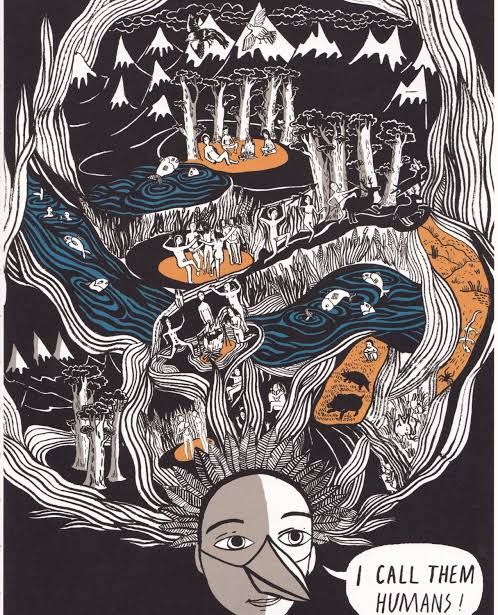
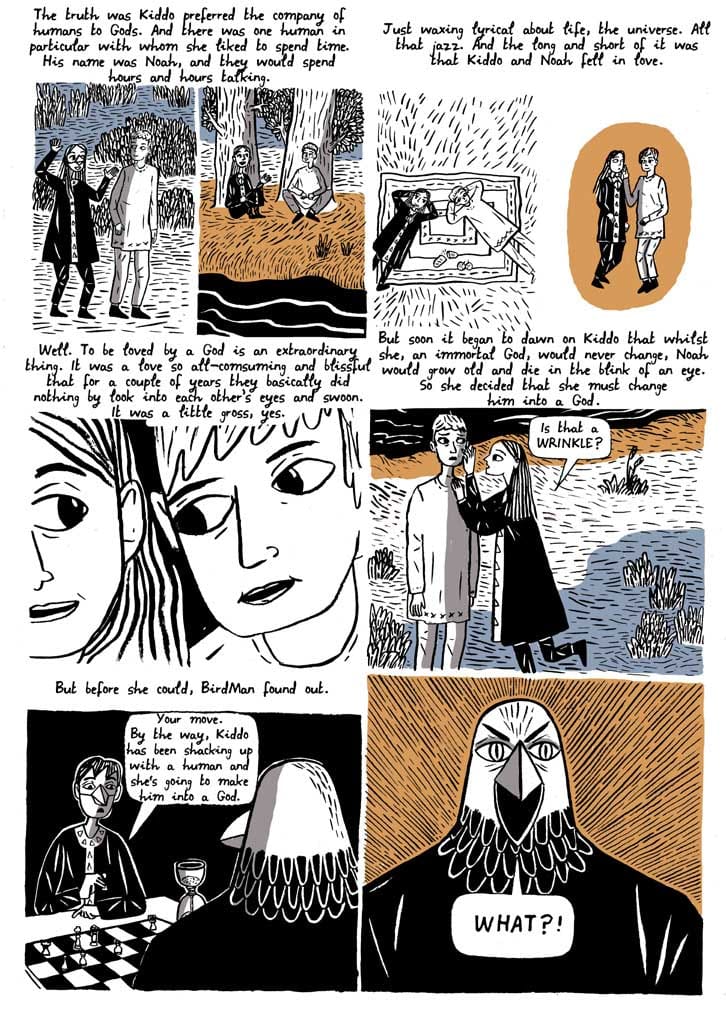
Her art style is the first thing that grabs you. It isn't slick or commercial; it’s bold, raw, and looks almost like ancient woodcuts or carvings you’d find on the wall of a long-forgotten room. It has this tactile, "perfectly imperfect" feel that makes the pages seem like they were unearthed from the earth rather than just printed.
Isabel uses this style to incorporate elements of actual "tales as old as time." You’ll find echoes of the Night Market, where things aren't always what they seem, and clear nods to the structure of the Shahrazad legends. She takes these universal archetypes—the trickster, the quest, the sacrifice—and breathes new life into them, making the ancient feel startlingly modern.
The World of Early Earth
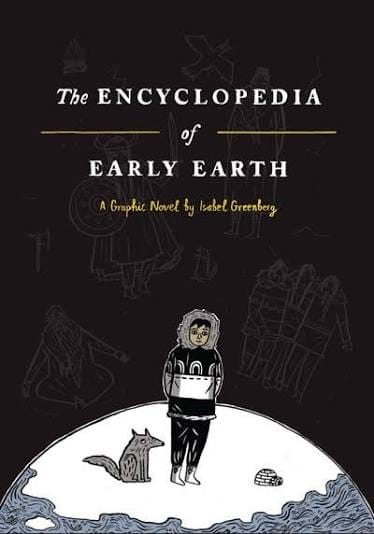
I’ve been captivated by her work for years, starting with the books that first defined her unique voice. "The Encyclopedia of Early Earth" is an incredible piece of world-building. It follows a storyteller from the North Pole who travels to the South Pole and falls in love, but because of the earth's magnetic polarity, the two lovers can never actually touch. To bridge the gap, they tell stories. It’s a "tapestry" of these tales—reimagining everything from Norse mythology to the Old Testament. It’s a celebration of why we tell stories in the first place: to reach the things we cannot hold.
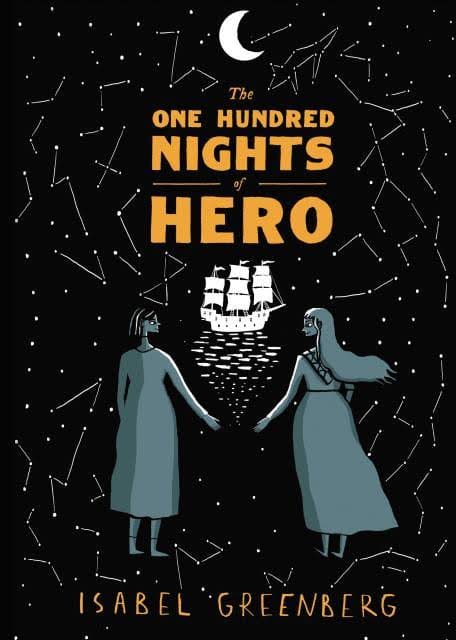
Then there is "The One Hundred Nights of Hero." If you’ve ever been mesmerized by The Arabian Nights, this is the feminist reimagining you’ve been waiting for. Set in the same "Early Earth" universe, it centers on a woman named Hero, a member of a secret league of storytellers. Much like Shahrazad, Hero must distract a man by weaving a new, mesmerizing tale for one hundred nights to save her friend from a wicked bet. It’s a fierce celebration of the secret legacy of female storytellers and how a story can be a shield, a map, and a weapon.
The Latest Quest
Her most recent work, "Young Hag and the Witches' Quest," is the latest addition to her brilliant bibliography, and it feels like a natural evolution of her themes. Set in a version of Britain where the ancient magic is slowly leaking out of the world, it follows a girl living with her mother and grandmother—the "Ancient Crone."
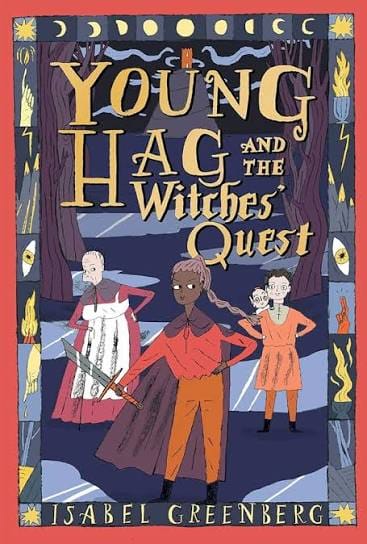
It’s a classic quest at heart, sparked by a changeling baby, but it’s really about how we find our own power when the legends we grew up on start to fail us. It explores those complicated, sometimes prickly bonds between generations of women, showing how magic is often passed down through a look or a whisper rather than a grand spell.
Isabel has also explored the real world in "Glass Town," which dives into the wild, imaginary worlds the Brontë siblings created as children. It’s a reminder that for some of us, the stories we tell are just as real as the ground we walk on. Isabel Greenberg understands that we are all seeking to make sense of the world through the myths we pass down. Her books aren't just things you read; they are worlds you inhabit.